Masai Mara
The one, the only
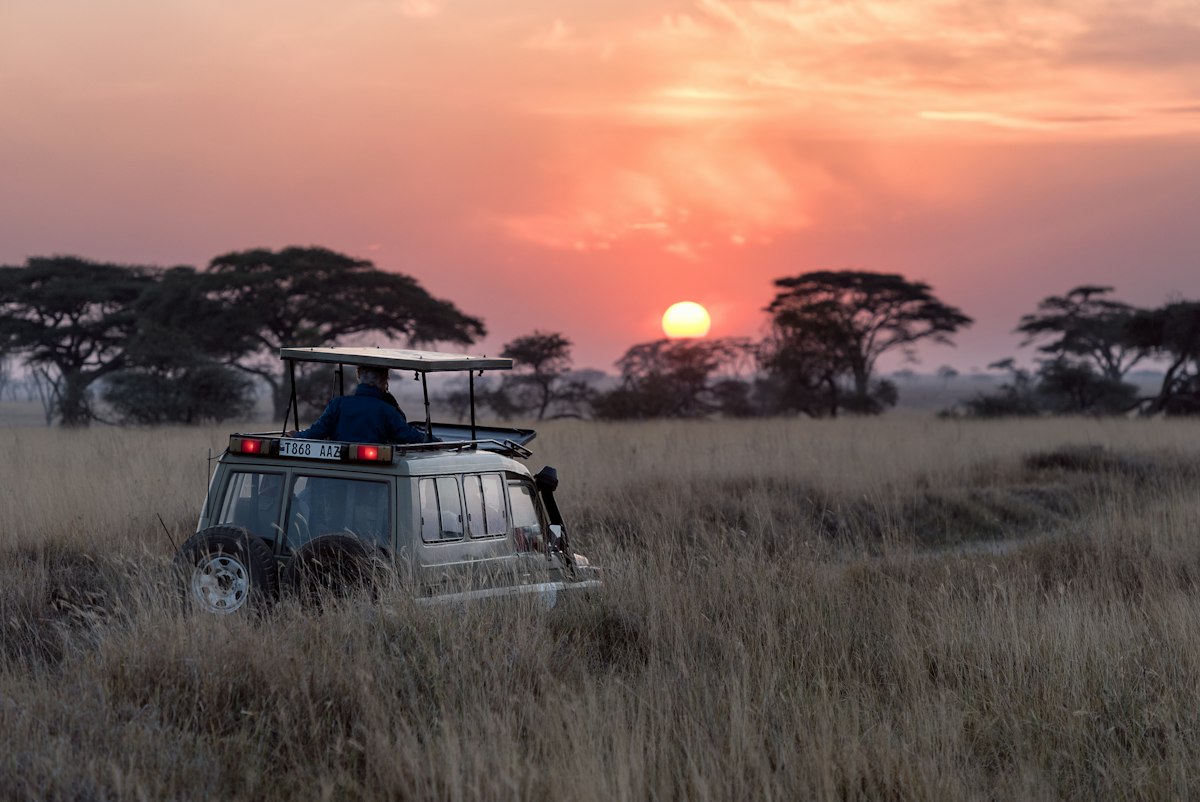
Home to the legendary Great Migration, the Masai Mara is Kenya's most iconic safari destination. Witness millions of wildebeest, zebras, and gazelles traverse the sweeping savanna plains, while resident big cats, elephants, and rhinos roam freely across this magnificent landscape.
Highlights
Wildlife
The Masai Mara experiences warm temperatures year-round (24–28°C) with two rainy seasons. The dry season (July–October) coincides with the Great Migration, offering peak wildlife viewing. January–February also provides excellent game viewing with minimal rainfall.
Amboseli
A wildlife haven at the foothills of Mount Kilimanjaro
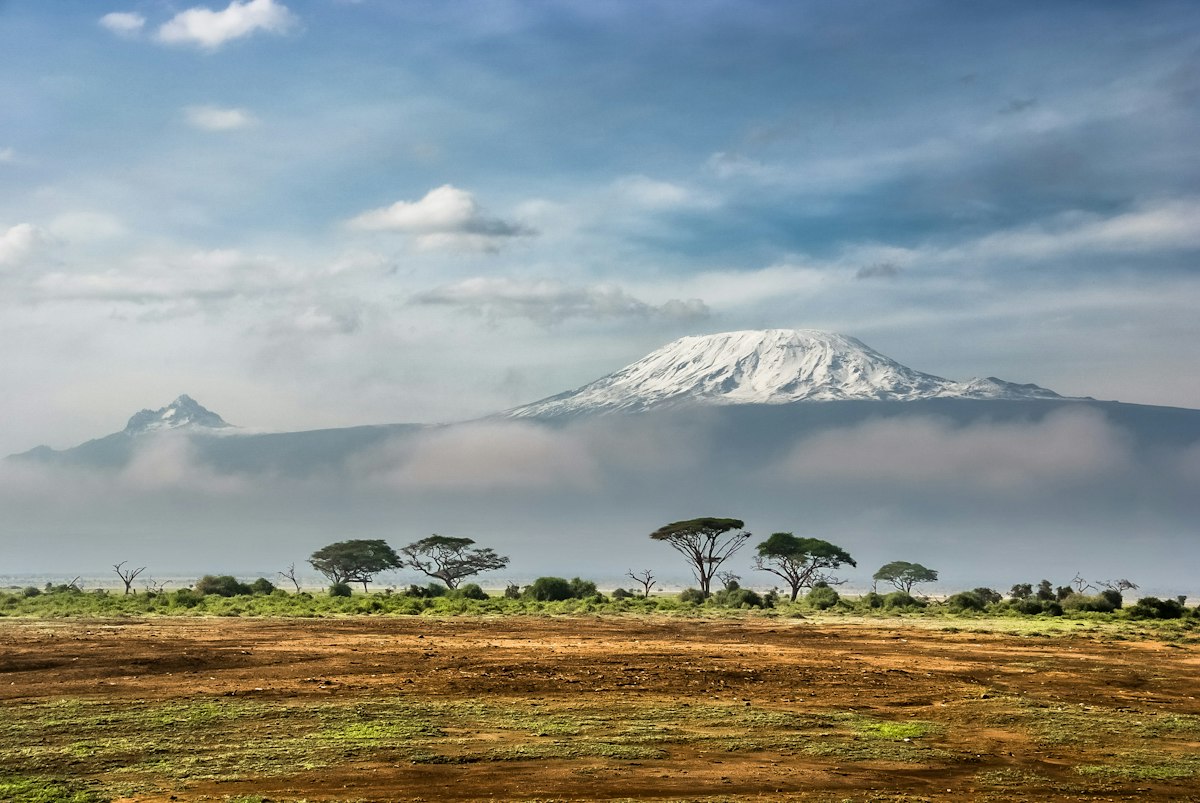
Amboseli National Park offers some of Africa's most spectacular elephant encounters against the stunning backdrop of Mount Kilimanjaro. The park's open plains and swamps create perfect conditions for observing large elephant herds and other wildlife in their natural habitat.
Highlights
Wildlife
Amboseli National Park enjoys warm, dry conditions most of the year (26–30°C). The dry seasons (January–March and June–October) offer optimal elephant viewing against Kilimanjaro's backdrop, while April–May brings heavier rains and lush vegetation.
Laikipia Plateau
Where Kenya's highlands thrive in conservation
The Laikipia Plateau is a mosaic of privately owned ranches and conservancies dedicated to wildlife conservation and community development. This region offers exclusive safari experiences, innovative conservation projects, and opportunities to see endangered species in vast, unfenced wilderness.
Highlights
Wildlife
The Laikipia Plateau has a temperate highland climate (22–27°C) with two rainy seasons. The dry months (June–October and January–March) provide excellent wildlife viewing and pleasant temperatures for outdoor activities.
Samburu
Located in the rugged northern frontier
Samburu National Reserve showcases Kenya's wild northern frontier with its unique wildlife species found nowhere else. The dramatic landscapes along the Ewaso Nyiro River create a stunning backdrop for encountering rare animals including the Samburu Special Five.
Highlights
Wildlife
Samburu experiences hot, arid conditions (28–32°C) typical of Northern Kenya. The dry seasons (June–October and January–March) offer concentrated wildlife viewing around the Ewaso Nyiro River, while brief rains bring temporary greenery.
Lake Nakuru & Lake Naivasha
Explore the famed Great Rift Valley Lakes
The Rift Valley lakes offer spectacular birdwatching opportunities with thousands of flamingos creating pink shores at Lake Nakuru, while Lake Naivasha provides boat safaris among hippos and diverse birdlife. The region also offers excellent rhino viewing and stunning geological formations.
Highlights
Wildlife
The Rift Valley lakes enjoy mild temperatures (24–28°C) year-round. Birdwatching is excellent throughout the year, with peak flamingo populations during drier months. The region's moderate climate makes it accessible year-round.
Kenya Coast
Visit Watamu, Diani, or Lamu Island
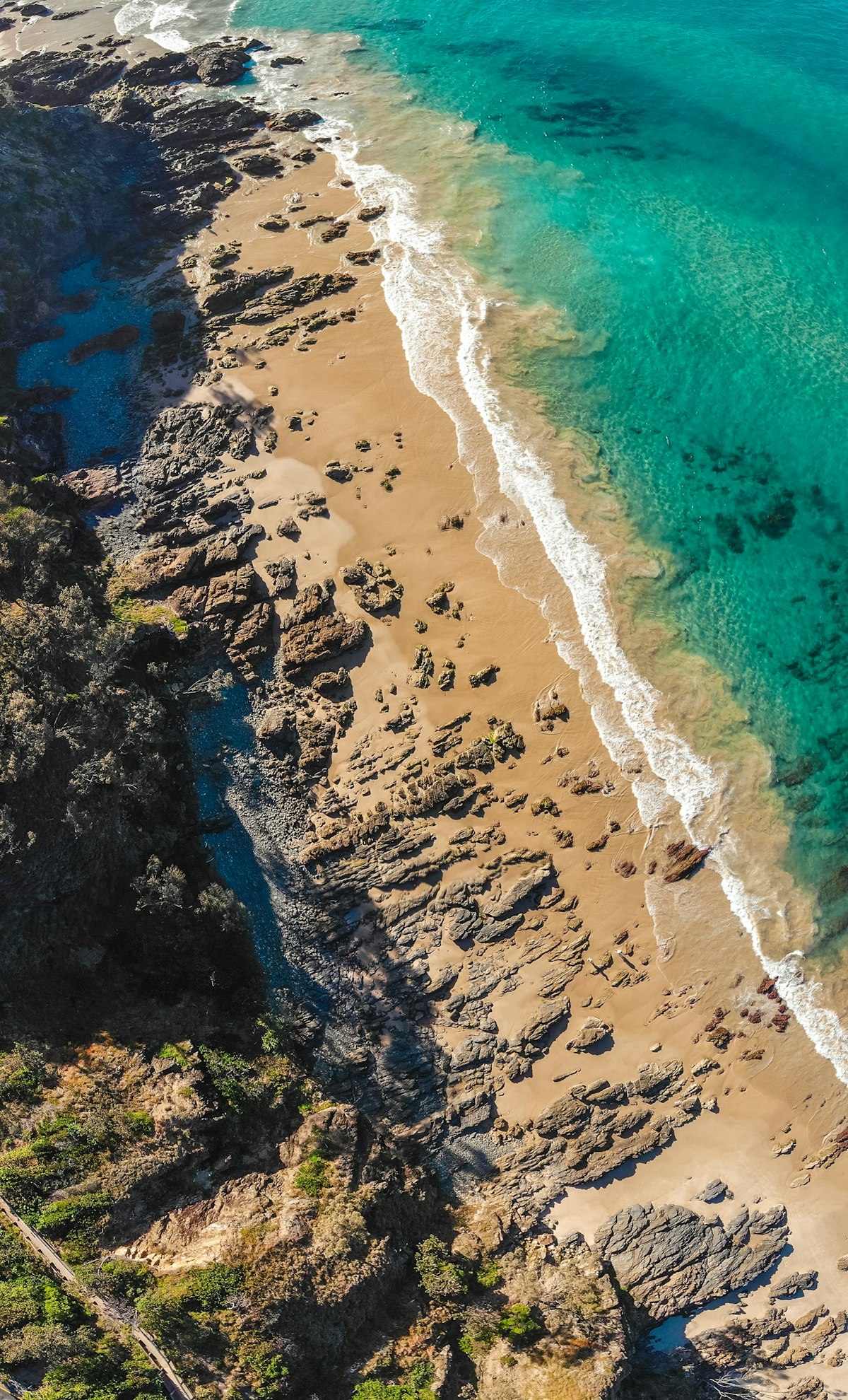
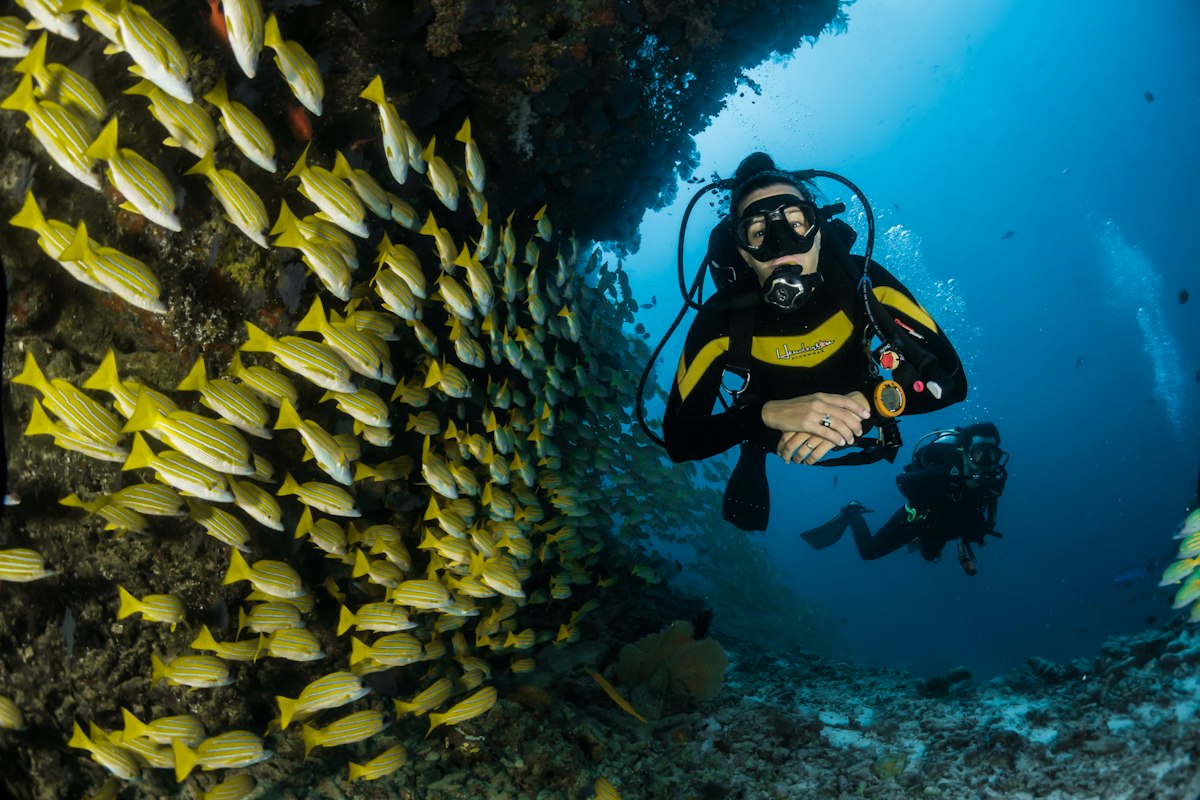
Kenya's pristine coastline offers the perfect conclusion to your safari with powder-white beaches, turquoise waters, and vibrant coral reefs. Combine relaxation with cultural exploration in historic Swahili towns, or enjoy world-class diving and water sports.
Highlights
Wildlife
Kenya’s coast is tropical with consistent warmth (27–31°C). The dry seasons (January–March and July–October) are ideal for beach activities and diving. November–December brings short rains, while April–May sees heavier rainfall.